Strategic Project Management: Agile, Scrum, and PMP
Description
Program summary
Format: Delivered online. If a specific program includes live sessions, an on-campus visit, or any in-person component, this will be clearly stated on the program page.
What you will gain:
• Structure projects with clear scope, stakeholder, and risk management
• Apply agile and classical approaches in the right contexts
• Establish sprint/backlog rhythms and delivery discipline
• Produce executive-ready governance and reporting artifacts
Who should attend:
Project managers, PMO roles, team leads, product/project teams, and transformation project contributors.
Course outline
1. Project fundamentals: scope–time–cost–quality trade-offs
2. Agile/Scrum: roles, ceremonies, backlog and sprint management
3. PMP-style governance: planning, monitoring, change control
4. Stakeholder communication: reporting, decision paths
5. Risk management: registers, prioritization, mitigation actions
6. Applied practice: charter, sprint plan, reporting set
Modules
10
What is included
Lessons
119
Review the module structure and lesson flow before enrollment.
Content sections
4
Review the sections below and open only the one you need. The summary panel on the side keeps the long explanation separate and readable.
Course Curriculum
Module roadmap
Review the module structure and lesson flow before enrollment.
Module 1
Foundations of Project Management
Module 2
PMP and PMBOK: Traditional Project Management
Module 3
Agile Foundations and Mindset
Next step
Add to Cart
You can add the product to your cart and proceed to the payment step.
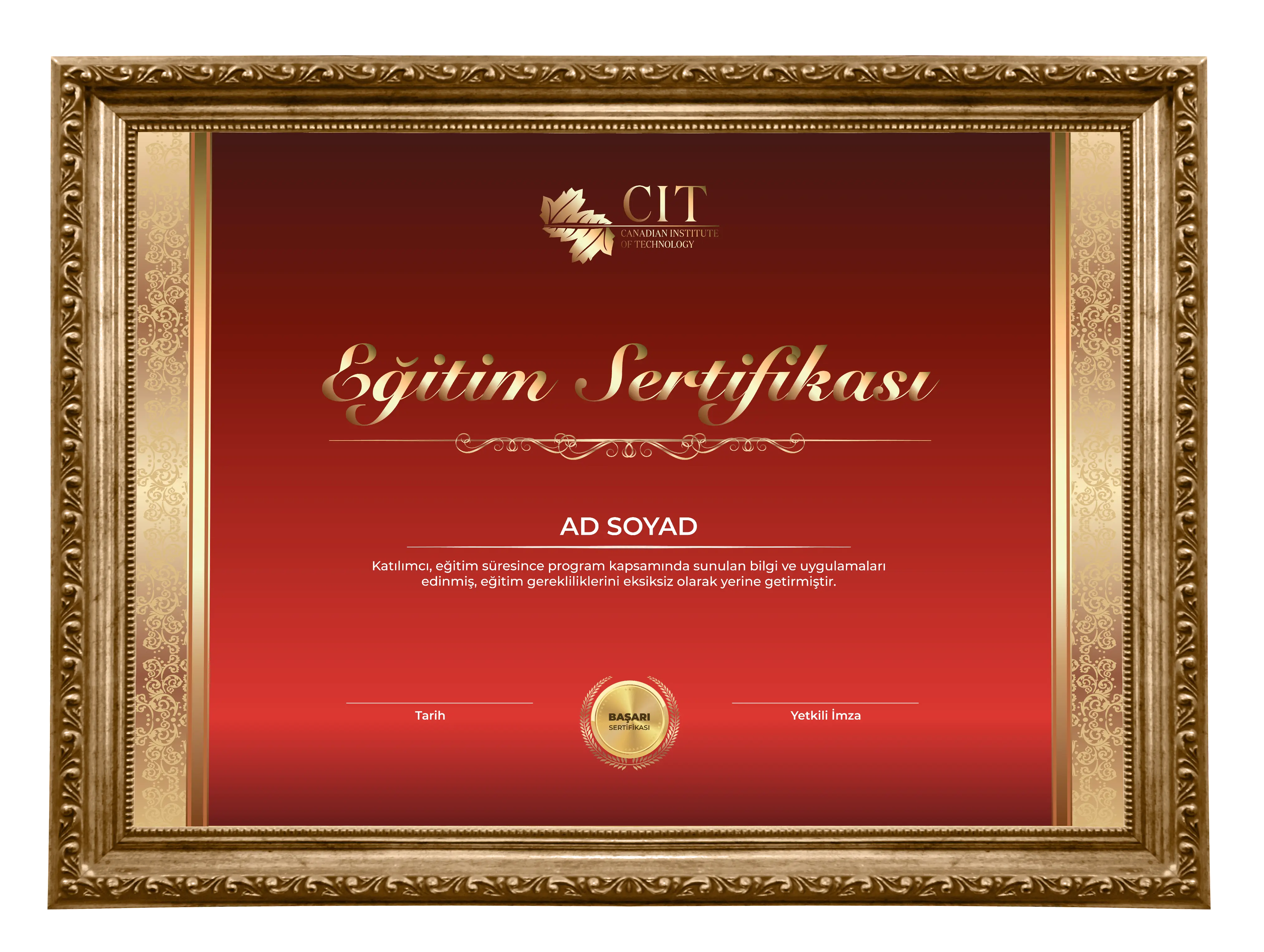
Sample certificate
Preview the institution-issued certificate style learners can expect after successfully completing the program.
What is included
Course Curriculum
Review the module structure and lesson flow before enrollment.
What Is Project Management: Definitions, Value and the Project Lifecycle
Project vs Programme vs Portfolio: Understanding the Hierarchy
The Project Management Office: Types, Roles and Organisational Context
Project Selection and Prioritisation: Business Cases and Strategic Alignment
Stakeholder Identification and Analysis: Power, Interest and Influence
Project Governance: Roles, Accountability and Decision-Making Structures
The Triple Constraint: Scope, Time and Cost Trade-Offs
Project Success Criteria: Defining What Done Looks Like
Organisational Structures and Their Impact on Project Management
Project Management Frameworks Overview: PMBOK, PRINCE2, Agile and Hybrid
Ethics and Professional Responsibility in Project Management
Project Management Career Paths and Certifications: PMP, PRINCE2, PMI-ACP
PMBOK Guide 7th Edition: Principles, Performance Domains and the Shift from Process Groups
The Twelve Project Management Principles: Stewardship, Complexity and Value
Project Integration Management: Developing and Managing the Project Charter
Scope Management: Requirements Gathering, WBS and Scope Control
Schedule Management: Network Diagrams, Critical Path and Schedule Compression
Cost Management: Estimating, Budgeting and Earned Value Analysis
Quality Management: Planning, Assurance and Control in Projects
Resource Management: Planning, Acquiring and Developing Project Teams
Communications Management: Plans, Methods and Stakeholder Engagement
Risk Management: Identification, Assessment, Response and Monitoring
Procurement Management: Make-or-Buy, Contract Types and Vendor Management
Stakeholder Management: Engagement Strategies and Managing Expectations
Closing a Project: Lessons Learned, Handover and Benefits Realisation
PMP Exam Preparation: Domain Structure, Question Types and Study Strategy
The Agile Manifesto: Four Values, Twelve Principles and Why They Matter
Why Agile: The Business Case for Iterative Delivery
Agile vs Waterfall: Choosing the Right Approach for Your Context
The Agile Mindset: Empiricism, Transparency and Continuous Improvement
Agile Frameworks Overview: Scrum, Kanban, SAFe, LeSS and XP
Agile Roles: Product Owner, Scrum Master, Development Team and Stakeholders
Agile Ceremonies: Standups, Reviews, Retrospectives and Planning
User Stories: Writing, Splitting and Estimating with Story Points
Agile Metrics: Velocity, Burndown, Burnup and Cycle Time
Agile Contracts and Commercial Models: Fixed Price vs Time and Material
Agile in Non-IT Contexts: Marketing, HR, Operations and Construction
Common Agile Anti-Patterns and Failure Modes
Scrum Theory: Empiricism, the Three Pillars and the Scrum Values
The Product Owner Role: Accountability, Skills and Common Pitfalls
The Scrum Master Role: Servant Leadership, Coaching and Facilitation
The Development Team: Self-Organisation, Cross-Functionality and Size
The Product Backlog: Creation, Refinement and Prioritisation Techniques
Sprint Planning: Selecting Items, Defining the Sprint Goal and Creating the Sprint Backlog
The Daily Scrum: Purpose, Format and Common Dysfunctions
Sprint Review: Inspecting the Increment and Adapting the Backlog
Sprint Retrospective: Formats, Techniques and Acting on Improvement Items
Definition of Done and Definition of Ready: Quality Gates in Scrum
Sprint Metrics: Velocity, Capacity Planning and Forecasting
Scrum Scaling Challenges: Managing Dependencies and Multi-Team Coordination
PSM and CSM Certification Preparation: Key Concepts and Exam Tips
Kanban Fundamentals: Visualising Work, Limiting WIP and Managing Flow
Designing a Kanban Board: Columns, Swim Lanes and Workflow Stages
WIP Limits: The Science Behind Reducing Multitasking and Improving Flow
Kanban Metrics: Lead Time, Cycle Time, Throughput and Cumulative Flow Diagrams
Lean Principles: Value, Value Stream, Flow, Pull and Perfection
Value Stream Mapping: Identifying and Eliminating Waste
Kaizen and Continuous Improvement: Building a Culture of Experimentation
Kanban vs Scrum: When to Use Which and How to Combine Them
Flow-Based Planning: Probabilistic Forecasting with Monte Carlo Simulation
Service Level Agreements in Kanban: Defining and Meeting Delivery Expectations
Applying Lean to Knowledge Work: Reducing Handoffs, Queues and Delays
Scaling Agile: The Challenges of Moving from One Team to Many
SAFe: Scaled Agile Framework Architecture, Roles and Events
Agile Release Trains and Programme Increment Planning in SAFe
LeSS: Large-Scale Scrum Principles and Implementation
Nexus: Scaling Scrum for Three to Nine Teams
Spotify Model: Squads, Tribes, Chapters and Guilds
OKRs and Agile Strategy: Connecting Team Work to Organisational Goals
Portfolio Management in Scaled Agile: Lean Portfolio Management
Agile Governance at Scale: Compliance, Audit and Regulatory Contexts
Measuring Agile Maturity: Assessments, Models and Improvement Roadmaps
SAFe Agilist and POPM Certification Preparation
Case Studies: Scaling Agile at Spotify, ING Bank and Amazon
What Is Hybrid Project Management: Combining Predictive and Agile Approaches
Choosing the Right Model: Tailoring Approaches to Project Context
Hybrid Planning: Fixed Milestones with Iterative Delivery
Governance in Hybrid Projects: Stage Gates, Sprints and Reporting
Hybrid Teams: Managing Waterfall-Thinking Stakeholders in an Agile Environment
Budgeting Hybrid Projects: Fixed Budgets with Agile Delivery
PRINCE2 Agile: Combining PRINCE2 Governance with Agile Delivery
Hybrid in Regulated Industries: Healthcare, Finance and Government
PMI's Hybrid Approach: What the Latest PMBOK Says About Tailoring
Real-World Hybrid Case Studies: Construction, IT and Digital Transformation
Transitioning Teams from Waterfall to Hybrid: A Change Management Approach
Advanced Risk Management: Quantitative Analysis, Monte Carlo and Decision Trees
Risk Appetite, Tolerance and Threshold: Aligning Risk to Strategy
Agile Risk Management: Continuous Risk Identification and Sprint-Level Response
Quality in Projects: Inspection vs Prevention and the Cost of Quality
Six Sigma for Project Managers: DMAIC, Process Capability and Control Charts
Stakeholder Engagement Strategies: From Resistant to Champion
Conflict Resolution in Project Teams: Techniques and Escalation Pathways
Negotiation for Project Managers: Scope, Budget and Timeline Conversations
Managing Organisational Politics: Influence Without Authority
Benefits Realisation Management: Measuring Value After Project Closure
Project Recovery: Diagnosing and Rescuing a Troubled Project
Project Leadership vs Project Management: Why the Distinction Matters
Situational Leadership in Projects: Adapting Your Style to Team Maturity
Building High-Performing Project Teams: Tuckman, Psychological Safety and Trust
Motivation in Project Teams: Intrinsic Drive, Recognition and Autonomy
Effective Project Communication: Stakeholder Plans, Reporting and Escalation
Virtual and Distributed Teams: Managing Projects Across Time Zones
Coaching and Mentoring in Project Environments
Change Management for Project Managers: ADKAR, Kotter and Prosci
Emotional Intelligence for Project Leaders
Difficult Conversations: Delivering Bad News and Managing Underperformance
Project Manager as Servant Leader: Applying Agile Leadership Principles
Project Management Tools Overview: Jira, Asana, Monday.com and MS Project
Jira for Agile Teams: Boards, Backlogs, Epics and Reporting
Microsoft Project: Gantt Charts, Resource Loading and Baselines
Confluence and Knowledge Management for Project Teams
AI in Project Management: Forecasting, Scheduling and Risk Automation
Applied Case Study: Delivering a Digital Transformation Project End-to-End
Applied Case Study: Rescuing a Scope-Creeping IT Project
Applied Case Study: Launching a Product with Scrum in a Non-Tech Organisation
Building Your Project Management Portfolio: Evidence, Templates and Artefacts
Preparing for PMP Certification: Application, Experience Hours and Exam Strategy
Career Development in Project Management: From PM to Programme Director
Course Conclusion: Your Strategic Project Management Practice
Program details
Content sections
Review the sections below and open only the one you need. The summary panel on the side keeps the long explanation separate and readable.