
Emotional Intelligence and Strategic Negotiation Skills
Description
Program summary
This online program strengthens negotiation and stakeholder communication through emotional intelligence and structured preparation. You will learn to manage difficult conversations, handle objections, and build agreements using clear frameworks and practice-based feedback. The emphasis is on transferable workplace scenarios and measurable skill development.
Format: Delivered online. If a specific program includes live sessions, an on-campus visit, or any in-person component, this will be clearly stated on the program page.
What you will gain:
• Manage tension and emotions in high-stakes conversations
• Prepare negotiations using goals, BATNA, and concession limits
• Handle objections and conflict with structured techniques
• Build trust and clarity in stakeholder communication
Who should attend:
Managers, sales/business development teams, project leaders, people managers, and client-facing professionals.
Course outline
1. Emotional intelligence: self-awareness, self-management, empathy
2. Negotiation strategy: goals, stakeholders, BATNA, framing
3. Communication skills: active listening, questioning, reframing
4. Objection and conflict handling: difficult conversation scenarios
5. Practice: role-plays with feedback and coaching
6. Personal plan: habits, reflection, and measurement
Modules
10
What is included
Lessons
123
Review the module structure and lesson flow before enrollment.
Content sections
4
Review the sections below and open only the one you need. The summary panel on the side keeps the long explanation separate and readable.
Course Curriculum
Module roadmap
Review the module structure and lesson flow before enrollment.
Module 1
Foundations of Emotional Intelligence
Module 2
Self-Awareness and Emotional Regulation
Module 3
Empathy, Social Awareness and Interpersonal Skill
Next step
Add to Cart
You can add the product to your cart and proceed to the payment step.
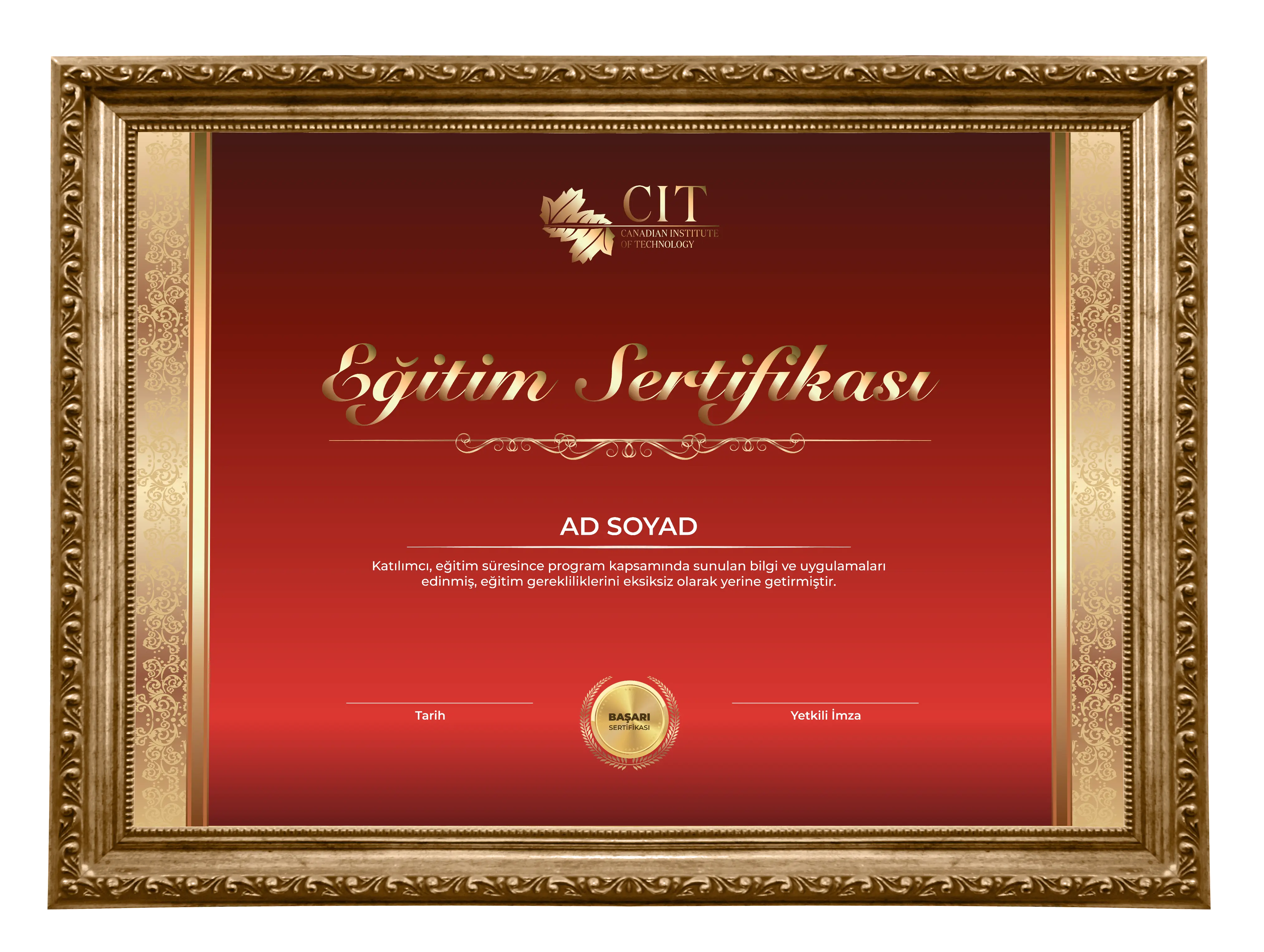
Sample certificate
Preview the institution-issued certificate style learners can expect after successfully completing the program.
What is included
Course Curriculum
Review the module structure and lesson flow before enrollment.
What Is Emotional Intelligence: Origins, Definitions and Why It Matters
The Science of Emotions: How the Brain Processes Feeling and Decision-Making
The Goleman Model: Four Domains of Emotional Intelligence
The Mayer-Salovey-Caruso Model: EI as Ability vs Personality
Self-Awareness: Recognising Your Emotional Patterns and Triggers
Self-Regulation: Managing Impulse, Anxiety and Emotional Reactivity
Motivation: Intrinsic Drive, Resilience and Emotional Persistence
Empathy: Cognitive, Affective and Compassionate Forms
Social Skills: Influence, Collaboration and Conflict Navigation
Measuring Emotional Intelligence: EQ-i, MSCEIT and 360 Assessments
Emotional Intelligence vs IQ: What Research Actually Shows
Developing EI in Adults: Neuroplasticity, Practice and Feedback
EI and Leadership: Why Emotional Intelligence Predicts Leader Effectiveness
Emotional Vocabulary: Naming Feelings with Precision
Identifying Your Emotional Triggers in Professional Contexts
The Amygdala Hijack: Recognising and Interrupting Emotional Flooding
Mindfulness as a Foundation for Self-Awareness
Body Awareness: Reading Physical Signals as Emotional Data
Journalling and Reflection Practices for Emotional Self-Development
Cognitive Reappraisal: Reframing Situations to Regulate Emotion
Managing Stress Under Pressure: Techniques That Work in Real Time
The Inner Critic: Recognising and Redirecting Self-Limiting Emotional Patterns
Emotional Regulation in High-Stakes Professional Situations
Building Psychological Safety for Yourself and Others
Resilience and Emotional Recovery: Bouncing Back After Setbacks
Personal Values Clarification: Aligning Action with What Matters Most
Deep Listening: Moving Beyond Hearing to Genuine Understanding
Non-Verbal Communication: Reading Body Language and Micro-Expressions
Emotional Contagion: How Emotions Spread and What to Do About It
Perspective-Taking: Seeing Situations Through Others' Eyes
Empathic Accuracy: Getting Better at Reading What Others Actually Feel
Building Rapport Quickly in Professional Relationships
Trust Architecture: How Trust Is Built, Maintained and Repaired
Navigating Difficult Personalities: Strategies for Challenging Interactions
Cultural Intelligence and Emotional Intelligence: Cross-Cultural EQ
Managing Up: Using EI to Influence Leaders and Senior Stakeholders
Managing Across: Using EI in Peer-Level Professional Relationships
Feedback Conversations: Giving and Receiving Feedback with Emotional Intelligence
What Is Negotiation: Definitions, Contexts and Common Misconceptions
Distributive vs Integrative Negotiation: Understanding the Fundamental Distinction
The Harvard Negotiation Project: Principled Negotiation and Getting to Yes
BATNA, WATNA and ZOPA: The Analytical Backbone of Negotiation
Positions vs Interests: Uncovering What Parties Really Want
Objective Criteria and Legitimacy in Negotiation
Value Creation in Negotiation: Expanding the Pie Before Dividing It
The Negotiator's Dilemma: Cooperating and Competing Simultaneously
Anchoring: The Power of the First Number in Negotiation
Concession Strategy: When, How Much and in What Sequence
Negotiation Planning: Preparation Frameworks and Strategy Development
Negotiation Power: Sources, Perception and How to Use It Ethically
Multi-Issue Negotiation: Packaging and Logrolling for Mutual Gain
Framing Effects: How Language and Presentation Shape Outcomes
Persuasion Principles in Negotiation: Cialdini Applied to Deals
Negotiation Styles: Competing, Collaborating, Accommodating and Avoiding
Hardball Tactics: Recognising and Responding Without Escalating
Deadlines, Time Pressure and Artificial Urgency in Negotiation
Coalition Building in Multi-Party Negotiations
Agent Negotiation: Negotiating Through and With Representatives
Auctions and Competitive Bidding as Negotiation Contexts
Cross-Cultural Negotiation: High Context vs Low Context Cultures
Virtual and Remote Negotiation: Adapting Strategy for Digital Environments
Ethical Boundaries in Negotiation: Deception, Omission and Manipulation
When Negotiations Fail: Impasse, Mediation and Walking Away
The Emotional Negotiator: Why Feelings Drive Deals More Than Logic
Anger in Negotiation: When It Helps and When It Destroys
Anxiety in Negotiation: Recognising, Managing and Reframing Nervousness
Regret, Loss Aversion and Prospect Theory in Negotiation
Guilt and Reciprocity: Emotional Leverage in Deals
Happiness and Positive Affect: Using Mood Strategically
Emotional Expression vs Emotional Strategy: What to Show and What to Hold
Reading the Other Party's Emotional State in Real Time
Emotional Intelligence in Competitive Negotiations: Case Studies
Rapport and Liking: Building Personal Connection to Improve Outcomes
The Role of Silence in Emotionally Intelligent Negotiation
Debiasing Your Negotiation: Overcoming Cognitive and Emotional Biases
EI and Ethics: Emotionally Intelligent Negotiation That Holds Up to Scrutiny
Salary and Compensation Negotiation: Strategy, Framing and Common Mistakes
Commercial Contract Negotiation: Key Terms, Levers and Tactics
Mergers and Acquisitions Negotiation: Deal Structure and Stakeholder Dynamics
Real Estate and Asset Negotiation: Price, Terms and Non-Price Variables
Labour and Union Negotiations: Collective Bargaining Dynamics
Procurement Negotiation: Supplier Relationships and Long-Term Value
Partnership and Joint Venture Negotiations
Crisis Negotiation: Hostage, Ransom and High-Threat Scenarios
Political and Policy Negotiation: Government, Lobbying and Stakeholder Influence
International Business Negotiation: Protocols, Etiquette and Cultural Traps
Negotiating with Powerful Counterparts: Levelling the Playing Field
Post-Deal Management: Relationship, Implementation and Renegotiation
The Anatomy of Conflict: Sources, Stages and Dynamics
Conflict Styles Assessment: Thomas-Kilmann and Its Applications
Principled Disagreement: Challenging Ideas Without Damaging Relationships
The Crucial Conversations Framework: Safety, Mutual Purpose and Candour
Delivering Difficult Messages: Structure, Tone and Timing
Receiving Criticism: Staying Open When It Feels Personal
De-escalation Techniques: Reducing Emotional Temperature in Real Time
Mediation Skills for Managers: Facilitating Disputes Between Others
Restorative Conversations: Repairing Damaged Professional Relationships
Conflict in Teams: Group Dynamics, Factions and Healthy Disagreement
Organisational Conflict: Power, Politics and Structural Tensions
Saying No with Grace: Declining Requests Without Damaging Relationships
The Emotionally Intelligent Leader: What Research Shows About EI and Performance
Resonant Leadership: Creating Climates of Engagement and Psychological Safety
Coaching as a Leadership Conversation: Asking Questions That Open Thinking
Leading Through Uncertainty: Emotional Regulation Under Ambiguity
Negotiating Resources and Priorities as a Leader
Influencing Without Authority: Persuading Peers and Senior Leaders
Executive Presence and Emotional Gravitas
EI in Performance Management: Motivation, Accountability and Development
Change Leadership: Using EI to Manage Resistance and Build Commitment
Building High-EI Teams: Hiring, Developing and Leading for Emotional Intelligence
The Dark Side of EI: Emotional Manipulation in Leadership and How to Spot It
EI and Negotiation Self-Assessment: Establishing Your Baseline
Negotiation Role-Play Debrief: Learning Framework for Practice Sessions
Case Study: Salary Negotiation — Planning, Execution and Outcome Analysis
Case Study: Commercial Deal — Multi-Issue Negotiation with Emotional Complexity
Case Study: Conflict Resolution — Managing a Team Dispute Using EI
Case Study: Leadership Negotiation — Securing Budget and Resources
Developing Your Personal EI Development Plan
Building a Negotiation Practice: Deliberate Practice Principles
EI in the Age of AI: What Stays Human When Machines Can Negotiate
Professional Certifications: EI Assessments, Negotiation Credentials and Coaching
Career Applications: How EI and Negotiation Skills Create Professional Advantage
Course Conclusion: Integrating Emotional Intelligence and Strategic Negotiation
Program details
Content sections
Review the sections below and open only the one you need. The summary panel on the side keeps the long explanation separate and readable.