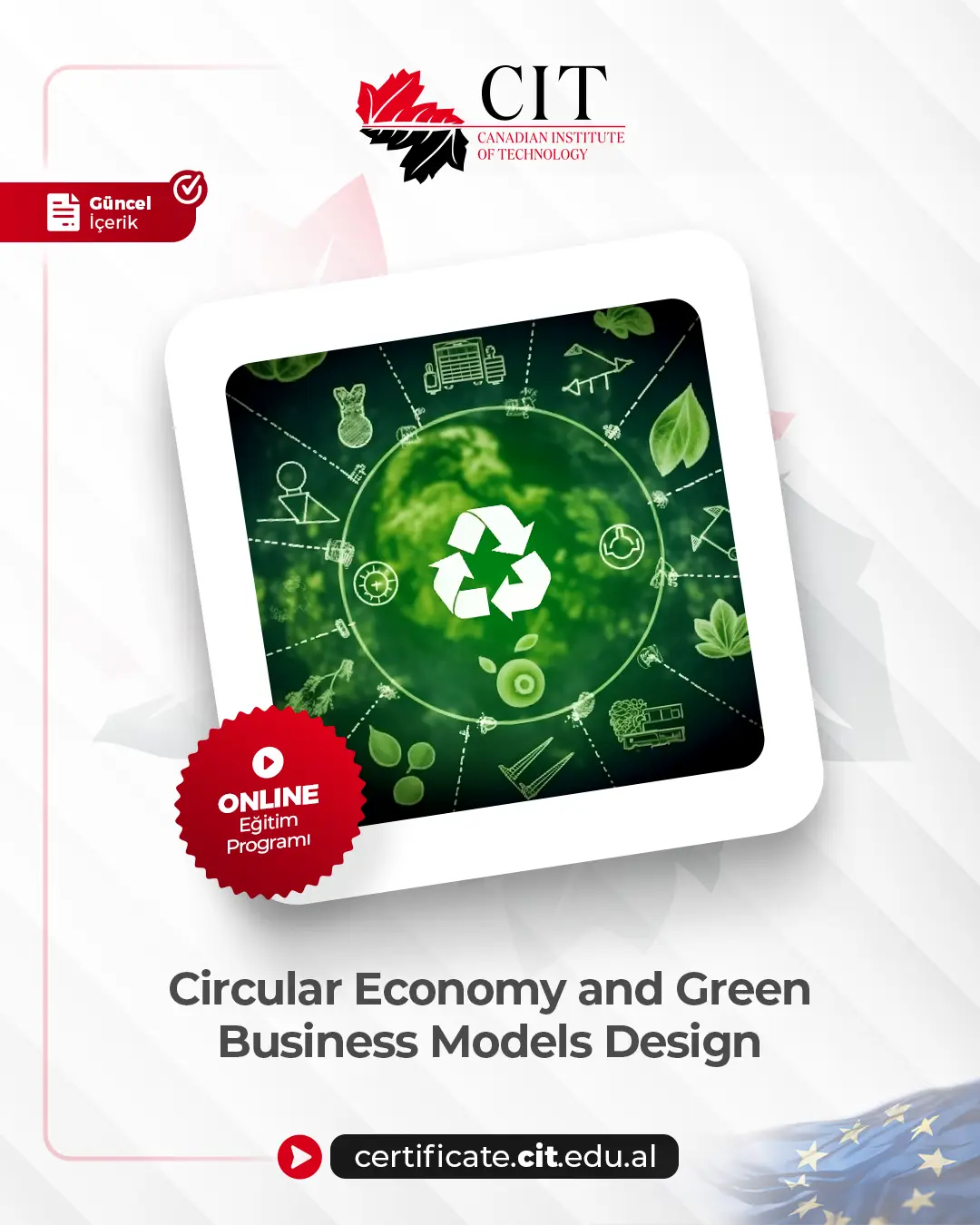
Circular Economy and Green Business Models Design
Description
Program summary
Format: Delivered online. If a specific program includes live sessions, an on-campus visit, or any in-person component, this will be clearly stated on the program page.
What you will gain:
• Apply circular economy principles to business model design
• Define green value propositions and measurable impact metrics
• Plan pilots and proofs-of-concept with clear success criteria
• Connect sustainability strategy with product and operations execution
Who should attend:
Strategy and innovation teams, product managers, ESG professionals, and business development teams.
Course outline
1. Circular economy fundamentals and lifecycle approaches
2. Green business model design: value, revenue, cost structures
3. Impact measurement: KPIs, reporting logic, verification mindset
4. Design tools: canvases, stakeholder maps, scenario matrices
5. Pilot planning: scope, measurement plan, risks, dependencies
6. Industry case studies and lessons learned
Modules
10
What is included
Lessons
150
Review the module structure and lesson flow before enrollment.
Content sections
4
Review the sections below and open only the one you need. The summary panel on the side keeps the long explanation separate and readable.
Course Curriculum
Module roadmap
Review the module structure and lesson flow before enrollment.
Module 1
Foundations of the Circular Economy
Module 2
Circular Business Model Archetypes
Module 3
Circular Design Principles and Methods
Next step
Add to Cart
You can add the product to your cart and proceed to the payment step.
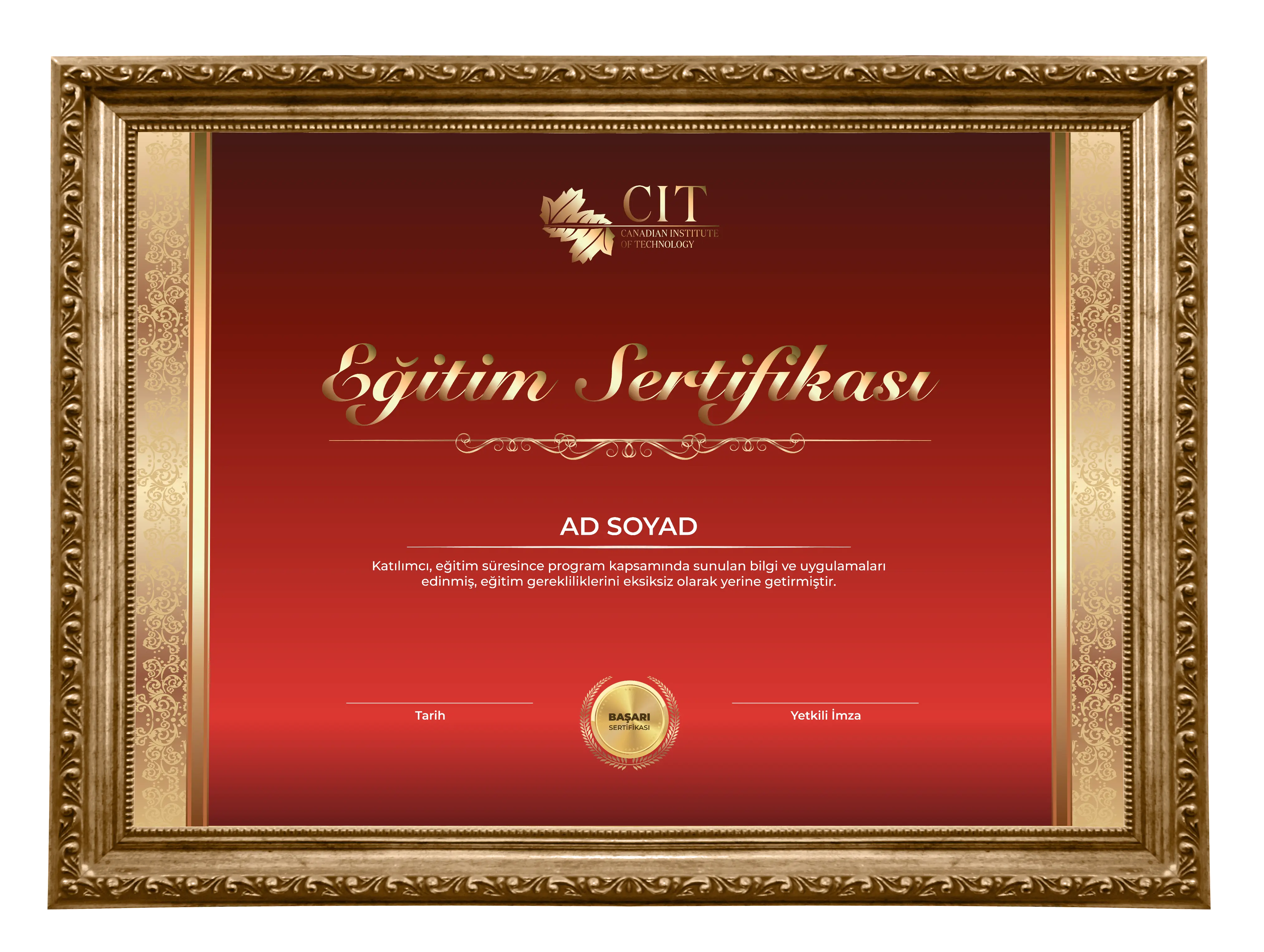
Sample certificate
Preview the institution-issued certificate style learners can expect after successfully completing the program.
What is included
Course Curriculum
Review the module structure and lesson flow before enrollment.
The Linear Economy and Why It Is No Longer Viable
What Is the Circular Economy: Principles, History and Definitions
The Three Principles of the Ellen MacArthur Foundation Framework
Biological and Technical Cycles: Keeping Materials in Use
The Butterfly Diagram: Reading and Applying the Circular Economy Model
Resource Flows: Materials, Energy, Water and Land in the Global Economy
The Waste Problem: Planetary Boundaries and Material Overshoot
Systems Thinking for Circular Economy Practitioners
Regenerative Design: Nature as a Model for Business
The Circular Economy vs Sustainability: Distinctions and Overlaps
Historical Roots: Industrial Ecology, Cradle to Cradle and Biomimicry
Key Drivers: Regulation, Resource Scarcity and Consumer Expectations
Circular Economy in Emerging Economies: Leapfrogging the Linear Model
Measuring Circularity: Metrics, Indicators and Frameworks
The Economic Opportunity: Jobs, Growth and Competitive Advantage
Circular Economy in the Context of the SDGs and Paris Agreement
Doughnut Economics: Social Foundations and Ecological Ceilings in Business
Business Model Innovation for Circularity: The Strategic Opportunity
Product as a Service: From Ownership to Performance and Access
Leasing and Pay-Per-Use Models: Design, Pricing and Customer Relationships
Repair, Refurbishment and Remanufacturing as Business Models
Take-Back Schemes and Extended Producer Responsibility
Platform Models for Sharing and Redistribution
Resource Recovery and Waste-as-Input Business Models
Industrial Symbiosis: Creating Value from Another Company's Waste
Subscription Models and Circular Revenue Streams
Closed-Loop Supply Chains: Design and Implementation
Hybrid Models: Combining Multiple Circular Strategies
Digital Platforms Enabling Circular Business Models
Circular Models in B2B vs B2C Contexts
Case Studies: Michelin, Philips, Renault and Interface
Mapping Your Business Model Against Circular Archetypes
From Linear to Circular: Transition Pathways for Existing Businesses
Circular Economy Startups: Identifying Gaps and Designing Ventures
Design for Circularity: The Role of Design in Enabling Circular Systems
Design for Disassembly: Making Products Easy to Take Apart
Design for Durability: Extending Product Lifetimes Deliberately
Design for Repairability: Enabling Consumers and Technicians to Fix Products
Design for Upgradability: Modular Architecture and Future-Proofing
Design for Recyclability: Material Choices and End-of-Life Planning
Cradle to Cradle Certification: Principles and Assessment Process
Biomimicry in Product Design: Learning from Nature's Solutions
Material Passports: Tracking Materials Through the Lifecycle
Circular Design Thinking: Human-Centred Approaches to Circular Innovation
Rapid Prototyping for Circular Products: Testing Before Scaling
Eco-Design and EU Ecodesign Regulation Requirements
Design for Multiple Lifetimes: Cascading Use of Products and Materials
Packaging Design for Circularity: Reduce, Reuse and Compostability
Digital Product Passports: The EU Regulation and Implementation
Circular Design Audit: Evaluating an Existing Product Against CE Principles
Circular Economy and Additive Manufacturing: 3D Printing for On-Demand Production
Circular Supply Chain Strategy: Redesigning Flows for Loops
Reverse Logistics: Collecting and Returning Products and Materials
Supplier Selection for Circularity: Criteria, Auditing and Collaboration
Circular Procurement: Buying for Longevity, Repairability and Recovery
Secondary Material Markets: Sourcing Recycled and Reclaimed Inputs
Traceability and Transparency in Circular Supply Chains
Blockchain and IoT for Supply Chain Circularity
Supplier Development for Circular Transition
Waste Exchange Networks and Industrial Symbiosis Platforms
Public Sector Circular Procurement: Policy and Practice
Circular Supply Chain Risk Management
Measuring Supply Chain Circularity: Scope 3 and Material Flow Accounting
Case Studies: IKEA, H&M and Unilever Circular Supply Chain Initiatives
Collaboration Models Across Supply Chain Tiers
Circular Economy in Logistics: Return Flows, Consolidation and Last-Mile
Circular Economy in Construction and the Built Environment
Circular Economy in Fashion and Textiles: Fibre to Fibre
Circular Economy in Electronics: E-Waste, Refurbishment and Design
Circular Economy in Food and Agriculture: Regenerative Systems
Circular Economy in Plastics: Reduction, Substitution and Recycling
Circular Economy in Automotive: Remanufacturing and EV Battery Loops
Circular Economy in Healthcare: Single-Use Plastics and Medical Devices
Circular Economy in Retail and Fast-Moving Consumer Goods
Circular Economy in Chemicals: Safe Materials and Green Chemistry
Circular Economy in Tourism and Hospitality
Circular Economy in Financial Services: Green Products and ESG
Circular Economy in the Public Sector: Procurement and Policy
Urban Mining: Recovering Resources from Cities and Infrastructure
Circular Economy in Agriculture: Soil Health, Nutrients and Closed Loops
Sector-Specific Circularity Assessment: Tools and Methodologies
Circular Economy in the Energy Sector: Batteries, Panels and Grid Circularity
The EU Circular Economy Action Plan: Scope, Targets and Timelines
Extended Producer Responsibility: Policy Design and Business Implications
EU Packaging and Packaging Waste Regulation: Compliance Requirements
The EU Green Deal and Its Relevance for Circular Business Models
Sustainable Finance and the EU Taxonomy: Circular Economy Criteria
Corporate Sustainability Reporting Directive: Disclosing Circular Performance
Product Environmental Footprint and Life Cycle Assessment Standards
ISO 14001 and ISO 14040: Environmental Management and LCA Standards
National Circular Economy Strategies: UK, Netherlands, Finland and China
Trade Policy and the Circular Economy: Border Adjustments and Material Rules
Right to Repair Legislation: EU and UK Developments
Greenwashing Regulation: Green Claims Directive and Substantiation Requirements
Circular Economy in Public Tenders: Minimum Requirements and Award Criteria
The Business Case for Circular Economy Transition
Life Cycle Costing for Circular Products and Services
Total Cost of Ownership Models for Service-Based Business
Pricing Strategies for Circular Business Models
Investment Appraisal for Circular Economy Projects: NPV and IRR
Green Finance Instruments: Circular Economy Bonds and Loans
Venture Capital and Impact Investment for Circular Startups
Grants and Public Funding for Circular Economy Innovation
Risk Assessment in Circular Business Model Transition
Building the Financial Case: Revenue, Cost and Value Creation in Circular Models
Circular Economy and Supply Chain Finance: Aligning Incentives
Valuing Intangibles: Brand, Resilience and Reputation in Circular Businesses
Financial Reporting for Circular Performance: Metrics and Disclosure
Life Cycle Assessment: Principles, Phases and Interpretation
Conducting an LCA: Data Collection, System Boundaries and Impact Categories
Simplified LCA Tools for Business: SimaPro, OpenLCA and GaBi
Material Flow Analysis: Mapping Resources Through Systems
Circularity Metrics: Ellen MacArthur Foundation Material Circularity Indicator
Carbon Footprinting and Its Relationship to Circularity
Water Footprinting and Circular Water Management
Social Impact Assessment in Circular Economy Contexts
Circularity Reporting Frameworks: GRI, TCFD and Circulytics
Setting Science-Based Targets for Circular Transition
Communicating Circular Performance to Investors and Customers
Third-Party Verification and Assurance for Circular Claims
Building a Circularity Dashboard for Your Organisation
Circular Economy Strategy: Integrating CE Into Corporate Strategy
Innovation Frameworks for Circular Business Model Development
Business Model Canvas Adapted for Circular Economy
Stakeholder Mapping and Engagement for Circular Transition
Change Management for Circular Economy Transformation
Building a Circular Economy Team: Roles, Culture and Capability
Circular Economy Innovation Labs and Internal Incubators
Ecosystem Thinking: Partnerships, Coalitions and Pre-Competitive Collaboration
Scaling Circular Solutions: From Pilot to System Change
Circular Economy Communication and Marketing Strategy
Overcoming Internal Barriers: Finance, Procurement and Operations Alignment
Circular Economy in the SME Context: Practical Pathways for Smaller Businesses
Circular Economy Roadmap Development: 1, 3 and 5 Year Planning
Measuring Circular Economy Culture and Organisational Readiness
Circular Economy Audit: Assessing an Organisation's Current Circularity
Circular Business Model Redesign: End-to-End Case Study
Circular Product Design Project: From Brief to Prototype Specification
Circular Supply Chain Mapping: Identifying Loops and Leakages
Policy Analysis Project: Evaluating a National Circular Economy Strategy
Financial Modelling for a Circular Startup: Revenue, Cost and Funding
LCA Project: Comparing Linear and Circular Product Scenarios
Circular Economy Strategy Presentation: Pitching to Executive Leadership
Sector Case Study: Designing a Circular Economy Intervention for a Chosen Industry
Professional Bodies and Networks: Ellen MacArthur Foundation, WBCSD and Others
Certifications and Qualifications in Circular Economy and Sustainability
Career Pathways: Circular Economy Consultant, Chief Sustainability Officer and Beyond
Freelancing and Consulting in Circular Economy: Getting Your First Clients
The Future of the Circular Economy: Trends, Technologies and System Shifts
Course Conclusion: Your Role in Designing the Circular Economy
Program details
Content sections
Review the sections below and open only the one you need. The summary panel on the side keeps the long explanation separate and readable.